Algorithmic Systems Reshaping Reward Structures in App-Based Gaming
Written by Riley Perry · Oct 24, 2026
Algorithmic Systems Reshaping Reward Structures in App-Based Gaming
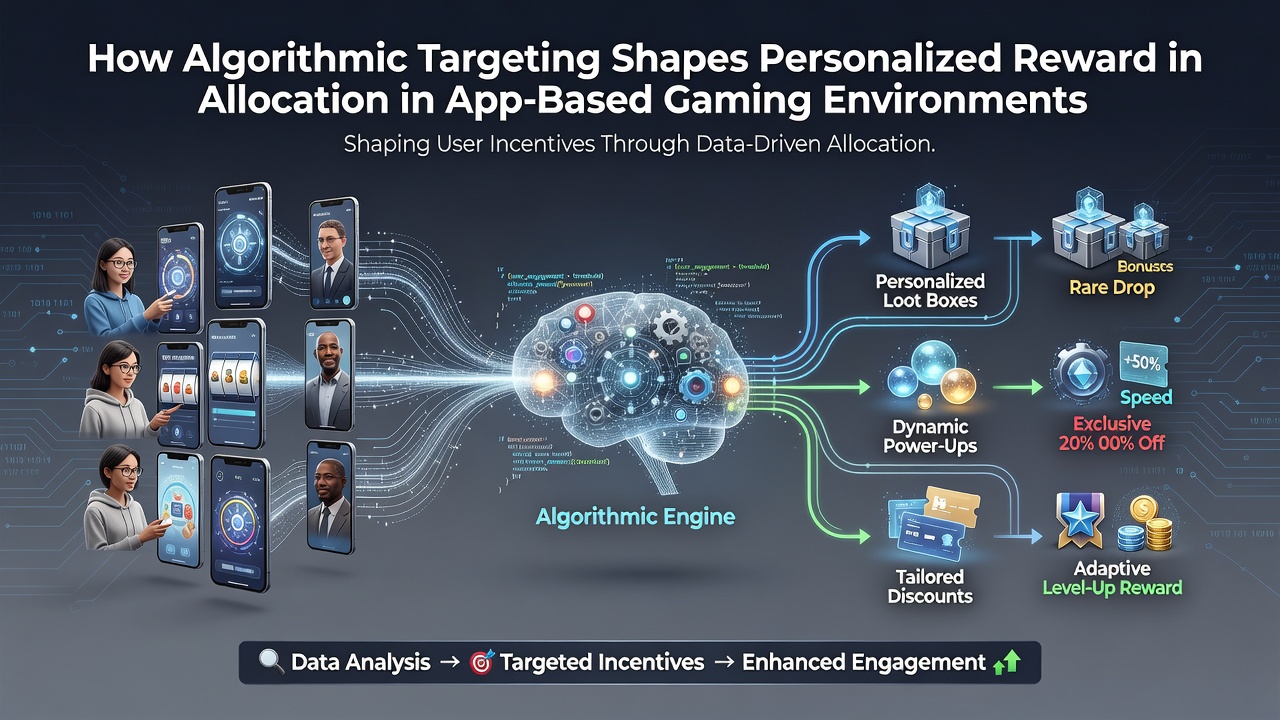
App-based gaming environments rely on algorithmic targeting to distribute rewards in ways that reflect individual player patterns, session durations, and spending histories, with developers deploying machine learning models that process behavioral signals at scale. These systems analyze metrics such as level completion rates, in-app purchase frequency, and time spent on specific features, then adjust reward offers accordingly without manual intervention from studio teams. Observers note that the approach emerged from broader trends in data-driven product design, where companies collect telemetry from millions of devices to refine engagement loops.
Data Inputs Fueling Targeting Models
Developers gather information through device sensors, account profiles, and interaction logs that feed into centralized databases, allowing algorithms to segment users into cohorts based on predicted lifetime value or churn risk. Studies from academic institutions such as those published by the University of California system highlight how location data, device type, and social connection graphs contribute to more granular predictions, enabling finer adjustments to reward types like virtual currency, cosmetic items, or experience multipliers. Those who examine these pipelines find that privacy frameworks in regions outside the UK, including oversight from the Australian Competition and Consumer Commission, shape what variables can be retained and for how long.
Real-time processing occurs through edge computing on user devices combined with cloud synchronization, so reward offers update within seconds of a player action. This setup supports dynamic allocation where one user might receive a bonus after a short session while another sees the same mechanic gated behind additional playtime, all determined by model outputs rather than fixed rules.
Mechanics of Personalized Allocation
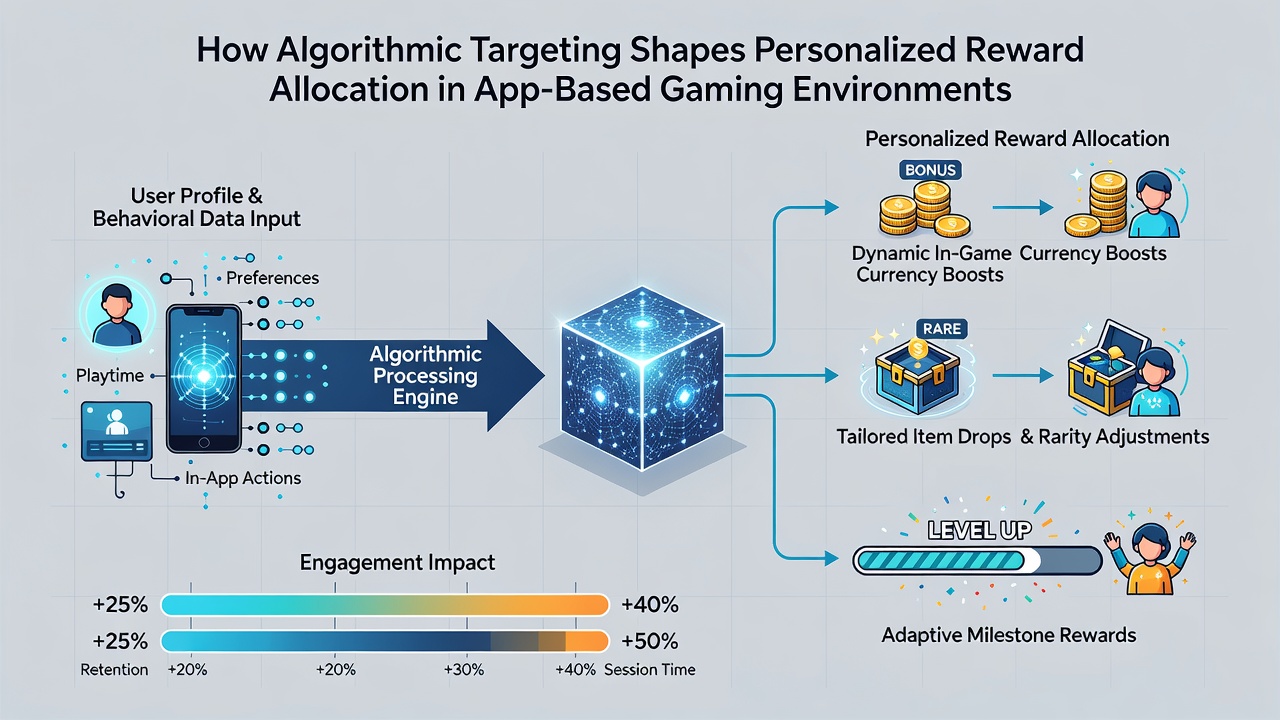
Once data streams enter the model, supervised learning techniques classify players and forecast which reward categories will sustain activity, drawing on historical datasets that span multiple game titles. Reinforcement learning variants then test variations in live environments, iterating on parameters such as reward size or timing to maximize retention signals like daily active users. Figures from industry reports indicate that these loops operate continuously, with A/B testing frameworks running across segmented populations to validate changes before wider rollout.
Examples appear in titles where free-to-play mechanics dominate, as one developer might notice that high-engagement users respond better to rare item drops while lower-activity accounts benefit from consistent small increments. The system applies these distinctions automatically, routing offers through notification channels or in-game popups calibrated to individual response rates observed in prior weeks.
Regulatory and Technical Considerations
Platforms hosting these games enforce policies that require disclosure of data usage, and developers must navigate rules set by bodies such as the Federal Trade Commission in the United States or the European Data Protection Board to avoid penalties tied to opaque targeting. Technical implementations often incorporate differential privacy techniques that add noise to datasets, preserving aggregate trends while limiting individual traceability. Research indicates this balance allows continued model improvement even as consent requirements tighten across app stores.
Integration with payment processors adds another layer, since reward structures tied to spending thresholds must align with billing transparency standards that vary by jurisdiction. As of October 2026, updates to cross-border data transfer agreements have prompted several studios to localize processing clusters, reducing latency for reward calculations while satisfying new compliance checklists.
Impact on Player Ecosystems
Communities within popular titles sometimes discuss perceived fairness when reward visibility differs across accounts, though the underlying models remain proprietary and inaccessible to end users. Trade organizations like the Entertainment Software Association have compiled statistics showing that personalized systems correlate with higher average session lengths in certain genres, particularly those emphasizing progression mechanics over competitive multiplayer. Analysts reviewing anonymized telemetry note that variance in reward frequency can influence social dynamics, as players compare experiences in forums or in-game chat without realizing the algorithmic basis for discrepancies.
Future iterations may incorporate additional signals from wearable devices or extended reality interfaces, expanding the data pool available for targeting while introducing fresh questions around consent granularity and model interpretability.
Conclusion
Algorithmic targeting continues to define how rewards reach players in app-based gaming, driven by layered data processing and iterative model updates that respond to observed behavior across global user bases. The mechanisms integrate technical capabilities with evolving regulatory expectations, shaping distribution patterns that developers refine through ongoing experimentation and external oversight.