Player Segmentation Strategies Drive Personalized Bonus Allocations in Regulated Online Platforms
Written by Eden Neumann · Aug 29, 2026
Player Segmentation Strategies Drive Personalized Bonus Allocations in Regulated Online Platforms
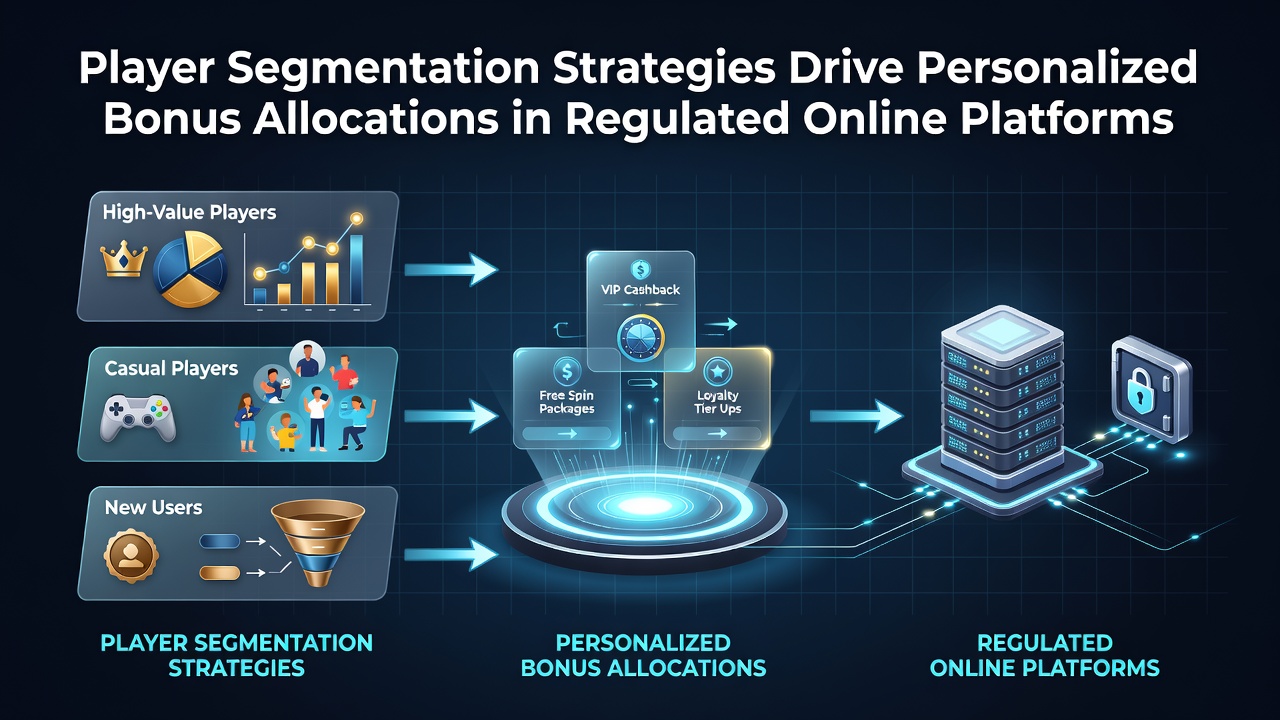
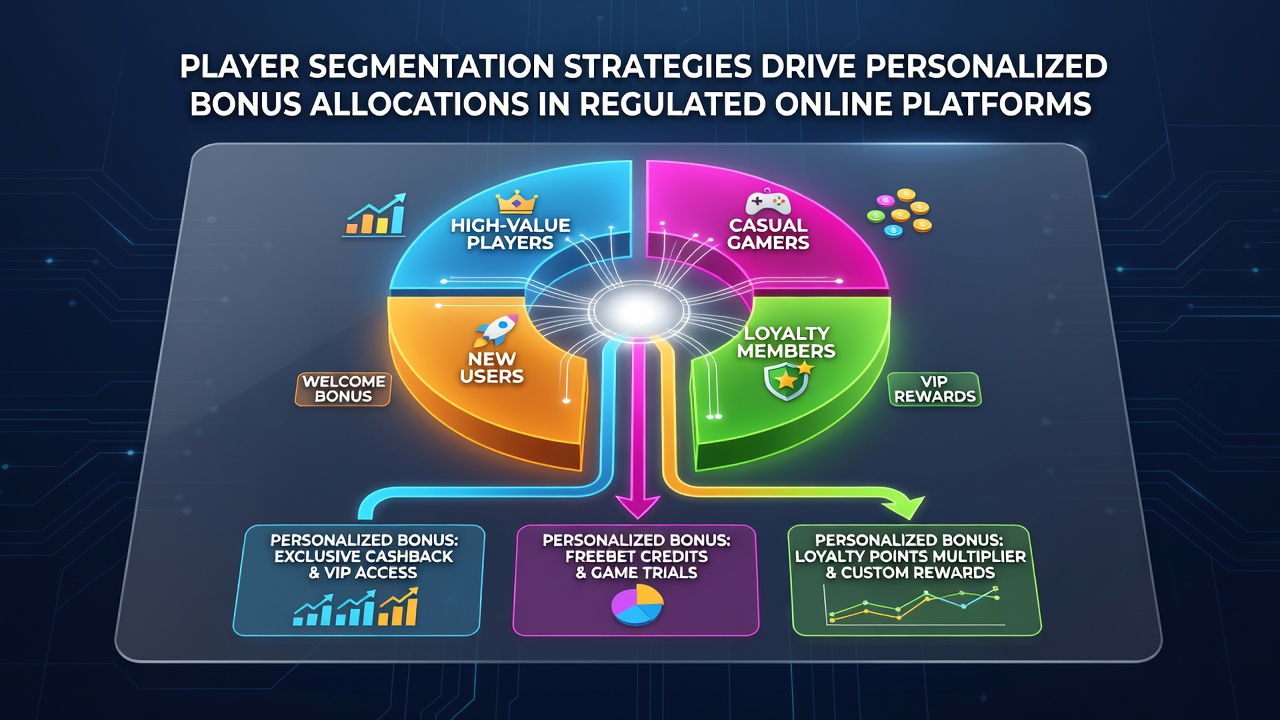
Regulated online platforms have integrated advanced player segmentation methods that allow operators to allocate bonuses based on detailed behavioral profiles, spending patterns, and engagement metrics while adhering to strict compliance frameworks across multiple jurisdictions. These approaches rely on data analytics platforms that categorize users into groups such as high-frequency players, occasional participants, and those showing signs of at-risk behavior, which then informs the distribution of tailored incentives like deposit matches or free spin packages.
Core Segmentation Models in Practice
Operators categorize players through a combination of demographic details, transaction histories, and session data collected under licensed data handling protocols, and this process enables precise bonus matching that aligns with individual activity levels rather than applying uniform offers across entire user bases. Research from academic institutions indicates that value-based segmentation, which ranks participants according to lifetime value calculations, frequently leads to higher retention rates in controlled environments because bonuses reach those most likely to engage responsibly with the platform features.
Behavioral segmentation tracks metrics including deposit frequency, game type preferences, and withdrawal patterns, and platforms apply these insights to generate dynamic offers that adjust in real time as new data arrives. Those who have examined industry implementations note that geographic segmentation also plays a role in markets with varying regulatory standards, ensuring bonus structures comply with local rules on promotional transparency and player protection measures.
Regulatory Compliance Integration
Platforms operating under licenses from bodies such as the Nevada Gaming Control Board must document segmentation algorithms and demonstrate that personalized bonuses do not encourage excessive play, which requires regular audits of allocation logic and outcome reporting. Data protection regulations in regions like the European Union further mandate explicit consent mechanisms before personal information feeds into segmentation systems, and operators respond by embedding privacy controls directly into their analytics pipelines.
Figures released by the Alcohol and Gaming Commission of Ontario reveal that licensed operators using segmented bonus systems maintained compliance rates above 95 percent during recent review periods, largely because automated checks flag any offers that exceed predefined risk thresholds tied to player profiles. This integration of compliance layers with segmentation tools allows platforms to scale personalization without triggering regulatory interventions.
Implementation Examples Across Markets
One operator in a North American jurisdiction applied cluster analysis to separate players into low, medium, and high engagement tiers, then routed bonus codes through a centralized system that delivered wager-free credits exclusively to the medium tier during promotional windows. Observers tracking these deployments report that such targeted allocations reduced overall bonus expenditure by directing resources away from users who rarely convert offers into sustained activity.
Another platform serving Australian users incorporated time-based segmentation that identified peak activity hours for different cohorts, and this led to time-limited bonuses that activated only during those windows for qualifying segments. The approach maintained adherence to local advertising standards while increasing uptake among the intended recipient groups.
Technical Infrastructure Supporting Personalization
Modern systems combine machine learning models with rule-based engines to process incoming player data streams, and these hybrid setups generate bonus recommendations that update as new behavioral signals emerge during live sessions. Platforms store segmentation outputs in secure databases that support both internal decision-making and external audit requests from regulators.
Integration with player tracking software ensures that any bonus allocation respects responsible gaming flags, such as self-exclusion status or deposit limit settings, and this linkage prevents offers from reaching restricted accounts. Those who have reviewed technical specifications note that real-time API connections between segmentation engines and bonus management modules allow for sub-second adjustments that keep allocations aligned with current player status.
Emerging Trends Observed by August 2026
By August 2026, several licensed operators had begun testing predictive segmentation that forecasts future player value based on early session patterns, which in turn influenced the size and type of initial welcome bonuses extended to new accounts. Industry reports from research organizations highlight that these forward-looking models incorporate anonymized aggregate data from multiple platforms to improve accuracy while preserving individual privacy.
Cross-border operators also expanded segmentation frameworks to accommodate simultaneous compliance with differing national rules, and this required modular bonus engines that could apply jurisdiction-specific filters without disrupting core personalization logic. The result appears in more granular offer structures that vary not only by player segment but also by the regulatory environment governing each account.
Conclusion
Player segmentation strategies continue to shape how regulated online platforms distribute personalized bonuses, and the combination of advanced analytics with layered compliance controls supports both operational efficiency and regulatory adherence. As data collection methods evolve and new licensing requirements emerge, operators refine these systems to maintain precise targeting that matches incentives to documented player characteristics across diverse markets.