Retention Patterns in Digital Betting: The Role of Diverse Incentives in Driving Participation
Written by Riley Perry · Sep 26, 2026
Retention Patterns in Digital Betting: The Role of Diverse Incentives in Driving Participation
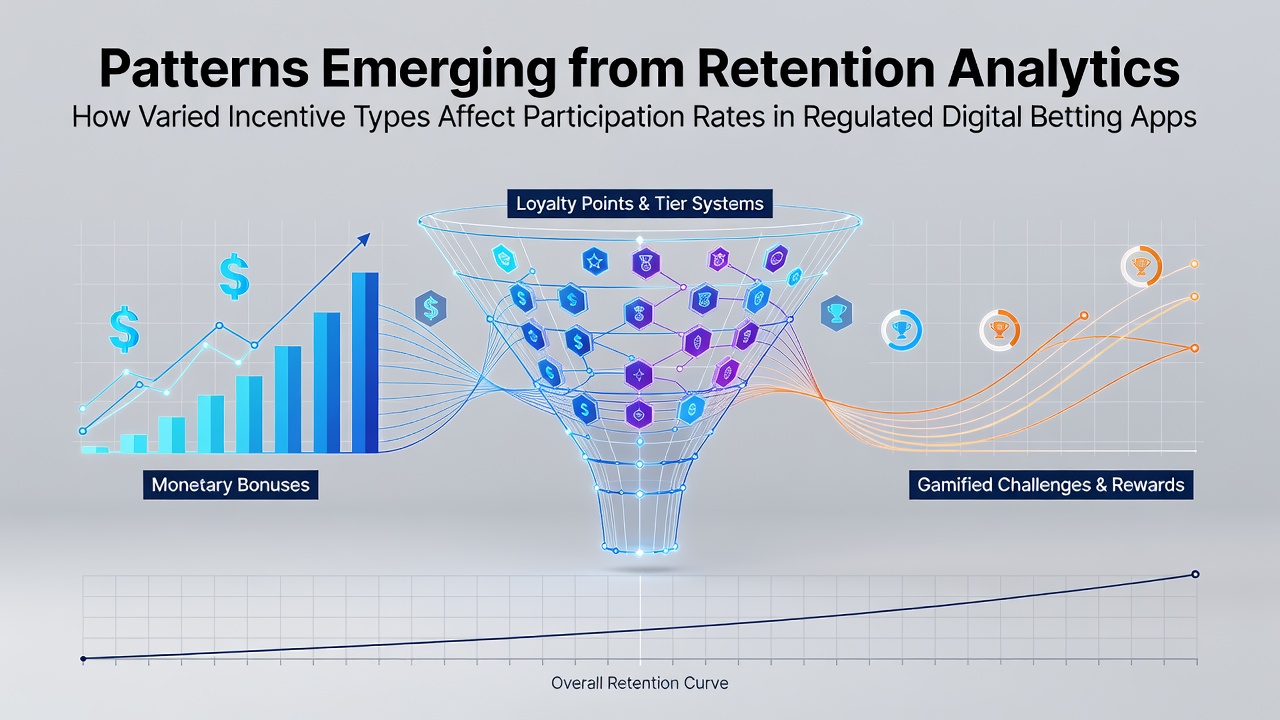
Data from multiple regulated markets shows that incentive structures such as deposit matches, free bets, loyalty points, and cashback programs produce distinct participation curves when tracked through retention analytics platforms, and operators have adjusted their offerings accordingly since the start of 2025. Researchers tracking user cohorts across several jurisdictions note that shorter-term incentives tend to lift initial sign-up volumes while longer-horizon programs correlate with steadier month-over-month activity, yet the precise mix varies by regulatory environment and user segment.
Studies conducted by academic teams at institutions in North America and Australia have mapped these differences through large-scale datasets, revealing that participation rates climb most sharply when operators combine small immediate rewards with tiered loyalty structures that unlock additional value after repeated deposits. In one analysis covering licensed platforms in multiple Canadian provinces, the introduction of progressive cashback tiers lifted repeat logins by measurable percentages among users who had previously shown declining activity, and similar patterns appeared in reports issued by the Australian Communications and Media Authority during the same period.
Types of Incentives and Measured Outcomes
Regulated digital betting apps deploy several incentive categories that retention systems now categorize automatically, including one-time welcome offers, recurring reload bonuses, risk-free bets, and personalized cashback based on net losses. Observers note that each category produces different retention signatures when examined through cohort analysis tools that segment users by acquisition channel and historical spend. Those who've examined anonymized logs from European operators report that risk-free bet promotions often generate short spikes in participation followed by rapid drop-off unless paired with ongoing loyalty mechanics, whereas deposit-match offers tied to minimum playthrough requirements sustain activity across a wider range of user types.
Industry data compiled through third-party analytics providers indicates that participation rates in apps offering hybrid incentive bundles exceed those using single-type promotions by consistent margins across comparable user bases. The same datasets highlight that cashback programs calibrated to individual loss profiles maintain higher retention among higher-volume participants, while flat-percentage loyalty points prove more effective at retaining occasional users who respond to visible progress indicators within the app interface.
Regional Regulatory Contexts and Data Trends
Regulatory frameworks in different regions shape how operators can structure and promote incentives, which in turn influences the retention patterns visible in analytics dashboards. Platforms operating under frameworks enforced by bodies such as those in several Australian states and certain Canadian provinces must adhere to disclosure rules and responsible gambling safeguards that affect the timing and visibility of offers. American Gaming Association reports have documented parallel developments in U.S. markets where state-level licensing requires clear separation between promotional credits and deposited funds, creating traceable differences in how users interact with each incentive type over successive weeks.
By September 2026, updated compliance requirements in several jurisdictions are expected to standardize reporting on incentive redemption rates, allowing more granular cross-market comparisons. Current figures already show that operators who align incentive frequency with regulatory review cycles experience steadier participation curves, whereas those introducing frequent changes encounter temporary dips as users adjust to new terms. Researchers examining these shifts emphasize the value of longitudinal tracking rather than snapshot metrics, since single-month participation numbers often mask longer-term patterns that emerge only after multiple incentive cycles.

Segmentation and Cohort Behaviors
Retention analytics platforms break users into cohorts based on acquisition date, preferred incentive type, and average session length, revealing that certain segments respond more strongly to specific rewards. Data indicates that users acquired through referral programs show elevated participation when offered loyalty points redeemable for merchandise or event access, whereas those entering via search advertising respond better to immediate deposit matches that reduce perceived risk on the first transaction. Analysts tracking these segments across licensed apps note that crossover effects occur when users receive incentives outside their primary preference category, sometimes producing temporary increases followed by normalization to baseline activity levels.
One study released by a European research consortium examined participation trajectories for over 200,000 accounts and found that combining micro-incentives such as small free bets with larger milestone rewards produced the most stable retention curves, particularly among users whose activity had previously declined after the initial welcome offer expired. The same research highlighted that transparent communication about incentive mechanics correlates with higher continued engagement, since users who understand redemption conditions tend to return more consistently to complete requirements.
Conclusion
Retention analytics continue to demonstrate that varied incentive types generate measurable differences in participation rates within regulated digital betting apps, and operators increasingly rely on cohort-level data to refine their promotional strategies. Evidence from multiple regulatory regions shows that hybrid approaches combining immediate and progressive rewards often sustain activity across broader user segments, while single-category promotions produce narrower retention effects that fade more quickly. As reporting standards evolve through 2026, further patterns are likely to emerge that will inform how licensed platforms balance incentive design with compliance obligations and user engagement goals.