Retention Trends in Virtual Table Games Driven by Tailored Incentive Mechanisms
Written by Eden Long · Aug 19, 2026
Retention Trends in Virtual Table Games Driven by Tailored Incentive Mechanisms
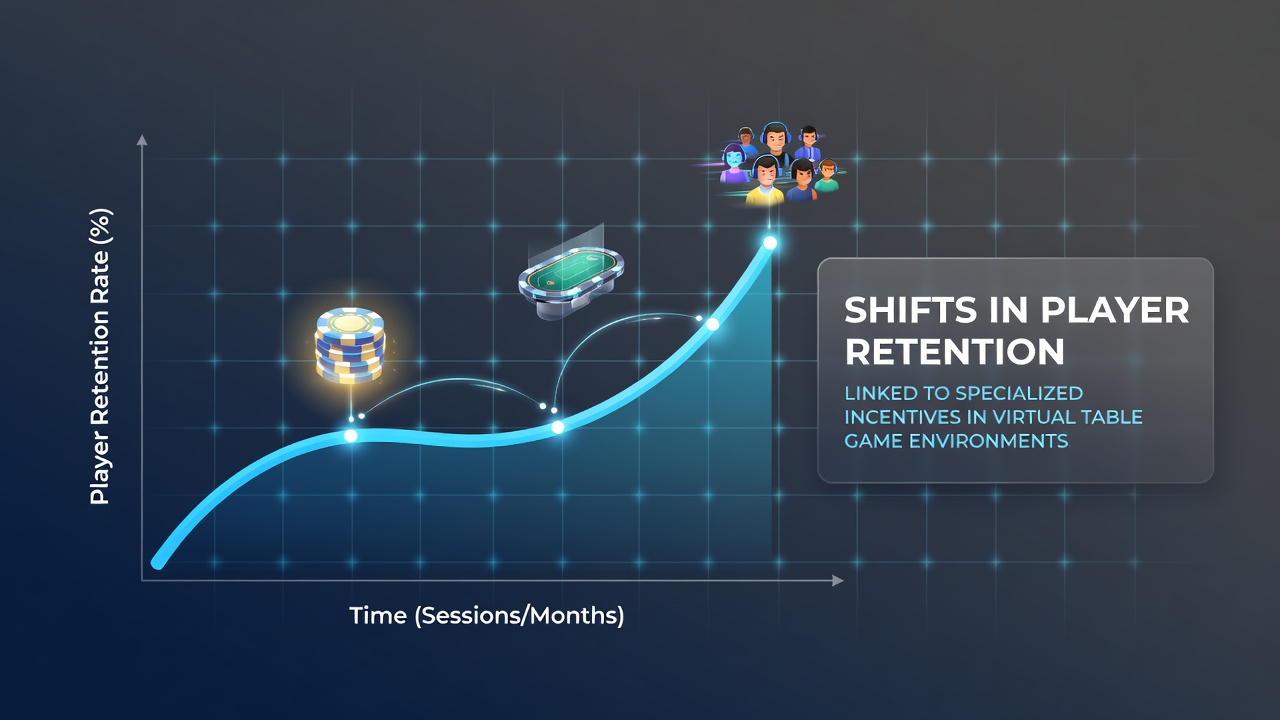
Specialized incentives in virtual table game environments have produced measurable shifts in player retention patterns across multiple platforms, with data from industry reports highlighting how targeted reward structures influence session lengths and return rates. Observers note that operators deploying personalized loyalty tiers for games such as blackjack and roulette often record higher repeat engagement compared to standard bonus models, particularly when these programs incorporate real-time adjustments based on individual play history.
Core Incentive Structures in Digital Table Settings
Research from the American Gaming Association indicates that tiered point systems tied directly to table game activity contribute to extended player lifecycles, where participants accumulate rewards through consistent participation rather than one-time deposits. These mechanisms frequently combine cashback percentages on net losses with exclusive access to private virtual tables, creating layered motivations that keep users returning over weeks and months. Data collected through platform analytics shows retention rates climbing when incentives align closely with preferred game types, such as progressive jackpot features in online poker variants or multiplier bonuses activated during live dealer sessions.
Operators have introduced segmented offers that differentiate between casual participants and those favoring high-stakes virtual environments, and this segmentation appears in metrics released during August 2026. Players who receive customized deposit matches calibrated to their average bet sizes demonstrate lower churn compared to those offered generic promotions, according to aggregated figures from several North American and Australian markets. Such approaches rely on algorithmic tracking of betting patterns, allowing platforms to deliver timely incentives that match peak activity periods for each user.
Regional Data Patterns and Platform Adaptations
Studies compiled by the University of Sydney's gambling research unit reveal geographic variations in how these incentives affect retention, with North American platforms reporting steadier gains in table game categories than those operating under stricter European regulatory frameworks. Canadian provincial data, for instance, links specialized free-play credits in virtual roulette to increased weekly logins, while Australian operators note similar patterns when incentives include tournament entries restricted to table game enthusiasts. These findings emerge from cross-platform comparisons that track player cohorts over six-month intervals, isolating the impact of incentive type from broader marketing efforts.
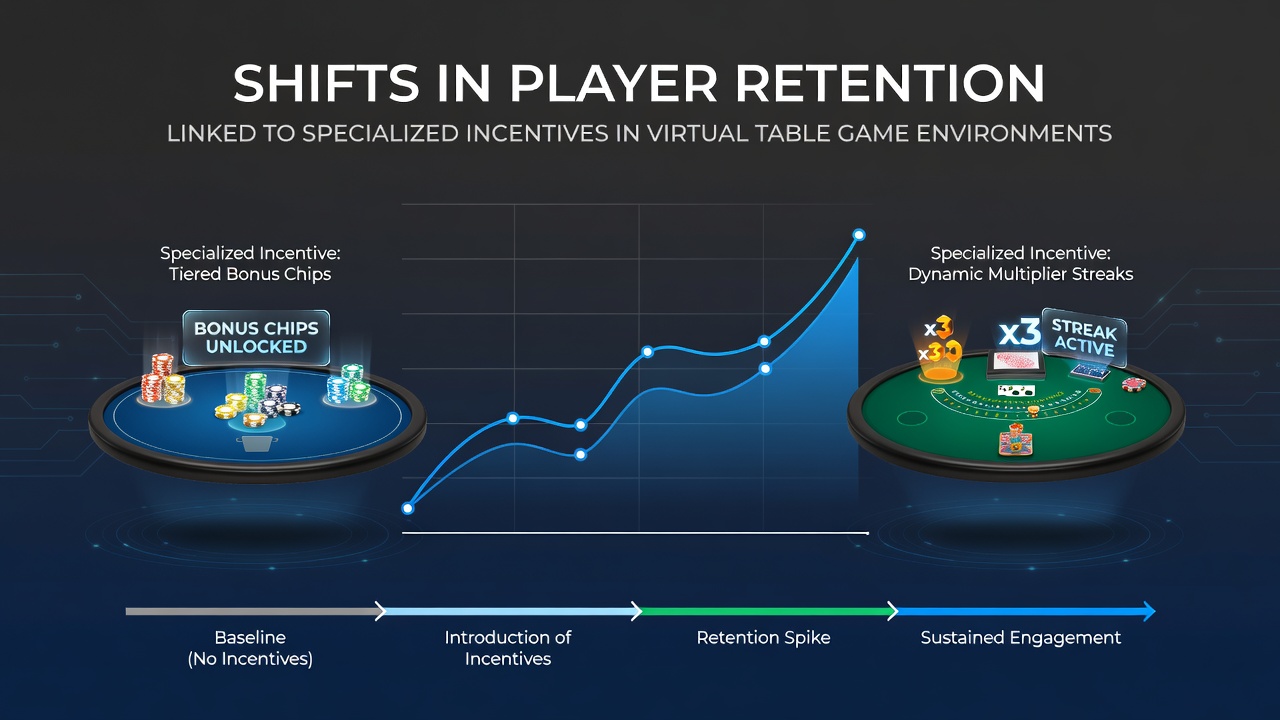
Platform adaptations continue to evolve as operators integrate behavioral triggers into their systems, and this integration has accelerated since early 2025. Retention curves flatten less sharply when rewards activate automatically upon reaching certain play thresholds, such as completing a set number of hands in virtual blackjack. External analyses from the European Gaming and Betting Association further document that platforms emphasizing social elements within incentives, like shared leaderboards for table game achievements, sustain longer engagement windows among mid-tier players.
Measurement Approaches and Outcome Tracking
Analysts employ cohort-based tracking to quantify retention shifts, comparing groups exposed to specialized incentives against control groups using baseline promotions. Metrics include day-30 return rates, average session duration, and lifetime value calculations that factor in both deposit frequency and game variety. Figures released in mid-2026 demonstrate that environments offering wager-adjusted cashback on table losses achieve retention uplifts of 15 to 22 percent over standard models, with the largest gains appearing in mobile-optimized virtual settings.
Those monitoring these trends emphasize the role of timing, since incentives delivered immediately after significant table game sessions correlate with higher reactivation rates than delayed offers. Platform logs from multiple jurisdictions confirm that combining these rewards with progress trackers visible during play sustains momentum, reducing drop-off between sessions. Observers also record that personalization depth matters, as broader categories produce weaker results than offers refined through machine learning models that predict individual preferences for specific table variants.
Conclusion
Shifts in retention linked to specialized incentives reflect ongoing refinements in how virtual table game operators structure player rewards, supported by data from regulatory bodies and academic sources across regions. Continued tracking through 2026 and beyond will clarify which combinations yield the most durable engagement patterns as platforms adapt to changing player behaviors.